About Dr. Lisa
She loves a good question.
The ones below built her career.
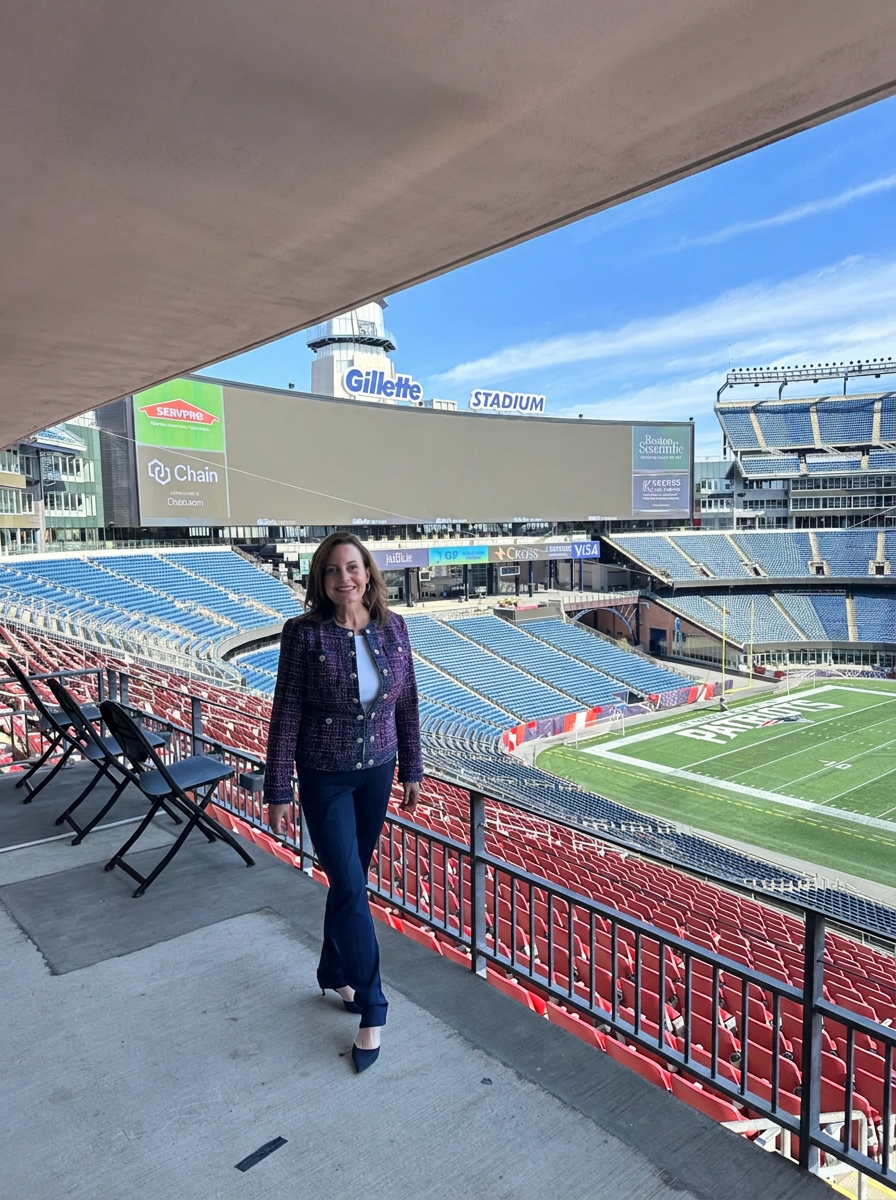
Gillette Stadium, SIM Boston Technology Leadership Summit
360°
view of Technology
Executive
Ran the P&L
Buyer
Bought the tech
Seller
Sold the tech
Advisor
Guided CIOs
Researcher
Studied adoption
Founder
Builds AI-native
The 360-degree view
She asked:
“Does this add experience I don’t have, and where does it lead two jobs from now?”
A leader once told her that ten years in one job is only one experience, ten times over. She never forgot it. So every new opportunity got the same two questions. Does this add experience I don’t have? And where does it lead two jobs from now? If it made her a more rounded leader without pointing her down a dead end road, she took it. That’s how one career covers every side of the AI conversation: technology executive, buyer, seller, advisor, researcher, and now author and founder. Same AI. Different people. Different results.
Founder and CEO of Neurocollective, building the Six Sigma of AI adoption.
On stage
Basel, Switzerland
Led 36 global bank CIOs through AI planning, ensuring trillions in cross-country money movement. Sponsor: US Federal Reserve CIO
Credential
Doctorate in Artificial Intelligence (2023)
Practitioner-focused primary research, designed to inform practical action
Career
Gartner · Microsoft · Splunk
Executive Programs at Gartner; executive sales and field strategy at Microsoft and Splunk.
Built
AI Adoption Engineering™
Creator of the discipline: methodology, diagnostics, 4-level certification, and n.judgment (MCP server), available on Microsoft Copilot & Teams, Claude, ChatGPT, and Slack.
Booking keynotes, board briefings, and advisory work for 2026-2027. Start a conversation
Selected stages
- Keynotes in 20+ cities across the US, Europe and Asia.
- SIM Boston Technology Leadership Summit, Gillette Stadium
- City Tours NYC
- Bank for International Settlements, Basel, Switzerland
- Dell + Computacenter
- Merit TV, Dr. Phil's Morning Show
As featured in
Short bio

Dr. Lisa Palmer is focused on making complicated things simple and useful. She has bought, sold, advised on and governed AI: as a CIO, as a go-to-market executive at Microsoft and Splunk, as Gartner's VP of Executive Programs and as a board director. Now she builds with it every day as founder and CEO of Neurocollective, an AI-native company. She holds a Doctorate in Artificial Intelligence (2023), led a hands-on AI lab for central bank CIOs from 36 countries in Basel, Switzerland, and is the author of Show AI—Don't Tell It (Wiley). She has spoken to audiences from boardrooms to 15,000-seat arenas and has been featured by NBC, ABC, CBS, Fox News, Forbes, CIO and the Financial Times.
Headshots, long bio and intro script in the planner kitOff stage
She asked:
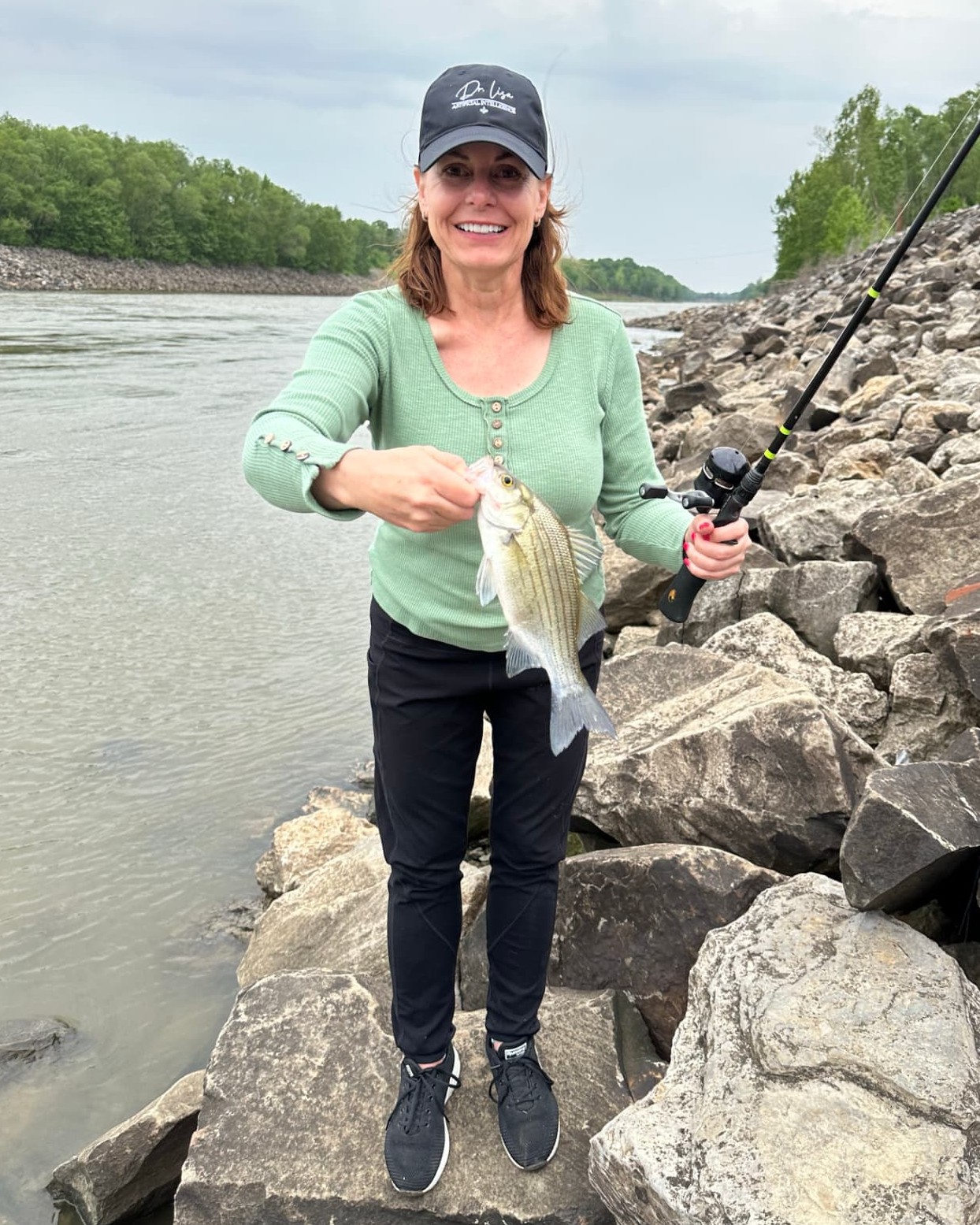
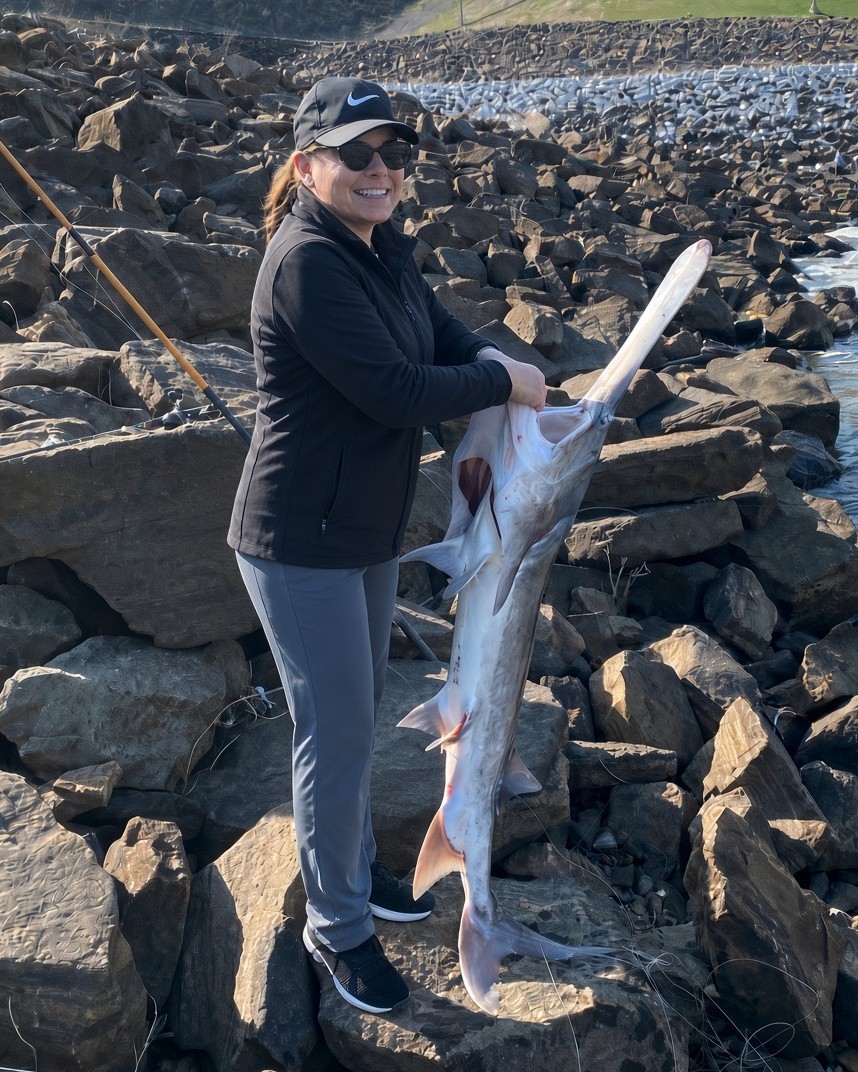
“What do a paddlefish and a skid steer have in common?”
Her weekends.

Her frameworks
She asked:
“How do I scale me?”
So she built the frameworks. Trademarked, field-tested, and grounded in her doctoral research and client work, they let others create results without her in the room.
Bold AI Leadership Model™
A repeatable three-tier framework: Mindset, Strategy, and Action, for leading in the age of AI.
AI Adoption Engineering™ Certification
A certification path that moves practitioners from “pilot purgatory” to operational performance.
5 AI Success Pillars™
The empirical, research-backed foundation behind enterprises that get results from AI.
AI Performance Flywheel™
A self-reinforcing engine that turns AI potential into sustained business momentum.
Visual Dartboarding™
An interactive co-creation method that aligns stakeholders on high-impact AI priorities, fast.
AI Pace Style™
A behavioral diagnostic that aligns individual leadership styles with your organization’s position on the AI Performance Flywheel.
Research
She asked:
“How do I quickly gain access to the people who know why AI works in some companies and fails in others?”
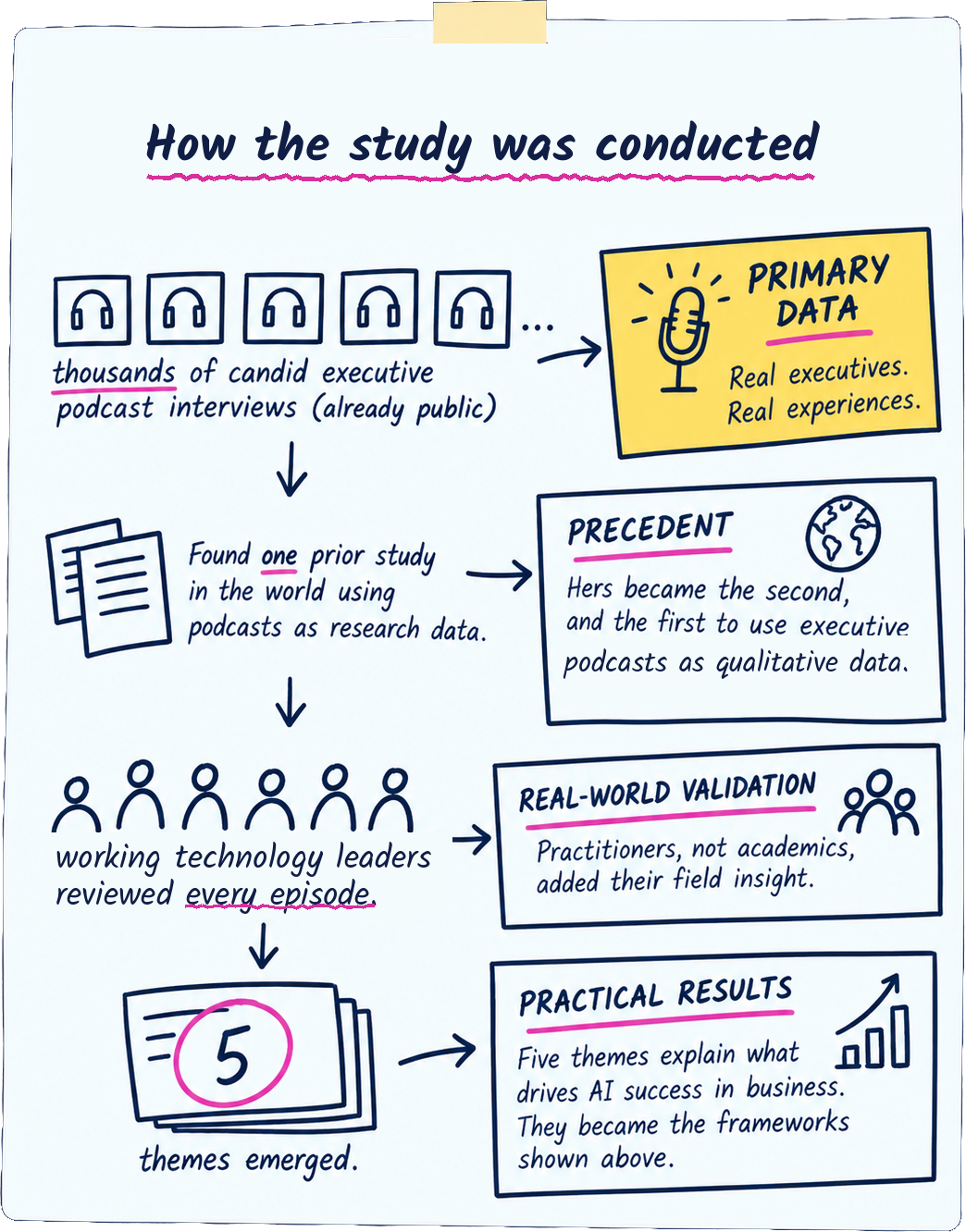
- Primary data: thousands of candid podcast interviews with executives who had already shared their experiences publicly.
- Precedent: one earlier study, anywhere in the world, had mined podcasts for trends. Hers became the first to analyze published podcasts as qualitative research data, studying how enterprises govern, adopt, and create value with AI.
- Real-world validation: practicing technology leaders, not academics, reviewed every selected episode and added their own field insight to the findings.
- Practical results: five themes emerged that explain what drives AI success in business. They became the frameworks shown above.
Read the full method
She wanted to understand why real enterprises succeed or fail with AI, and the executives who knew weren’t going to sit for doctoral interviews. During COVID, podcasting had exploded, and thousands of candid first-person interviews with exactly those people were sitting in public. She proposed using them as her primary data.
Her committee would approve the method only if someone, somewhere, had done it before. With a university librarian she searched the published literature. One study existed, anywhere in the world: a German foresight team had mined podcasts to spot future trends. No one had used executive podcast interviews as qualitative evidence. That one study was the precedent. Her research became the second, and the first of its kind.
The committee questioned her second choice too. Dissertation findings are normally checked by academics. She wanted hers checked by the people who would use them. So she recruited working technology leaders, IT executives, consultants, automation directors, SaaS founders, data science leaders, each with at least five years in enterprise technology, and built Reviewer Digital Cards for every episode. Every reviewer worked through every card: confirming her sub-themes, challenging them, adding their own, and writing in what they saw from the field. Their input became a second dataset alongside the podcasts. She built the above frameworks from it.
Next steps
She asked:
“What’s the question your audience needs answered?”
Two ways to start: bring the keynote to your stage, or bring her into the room.